
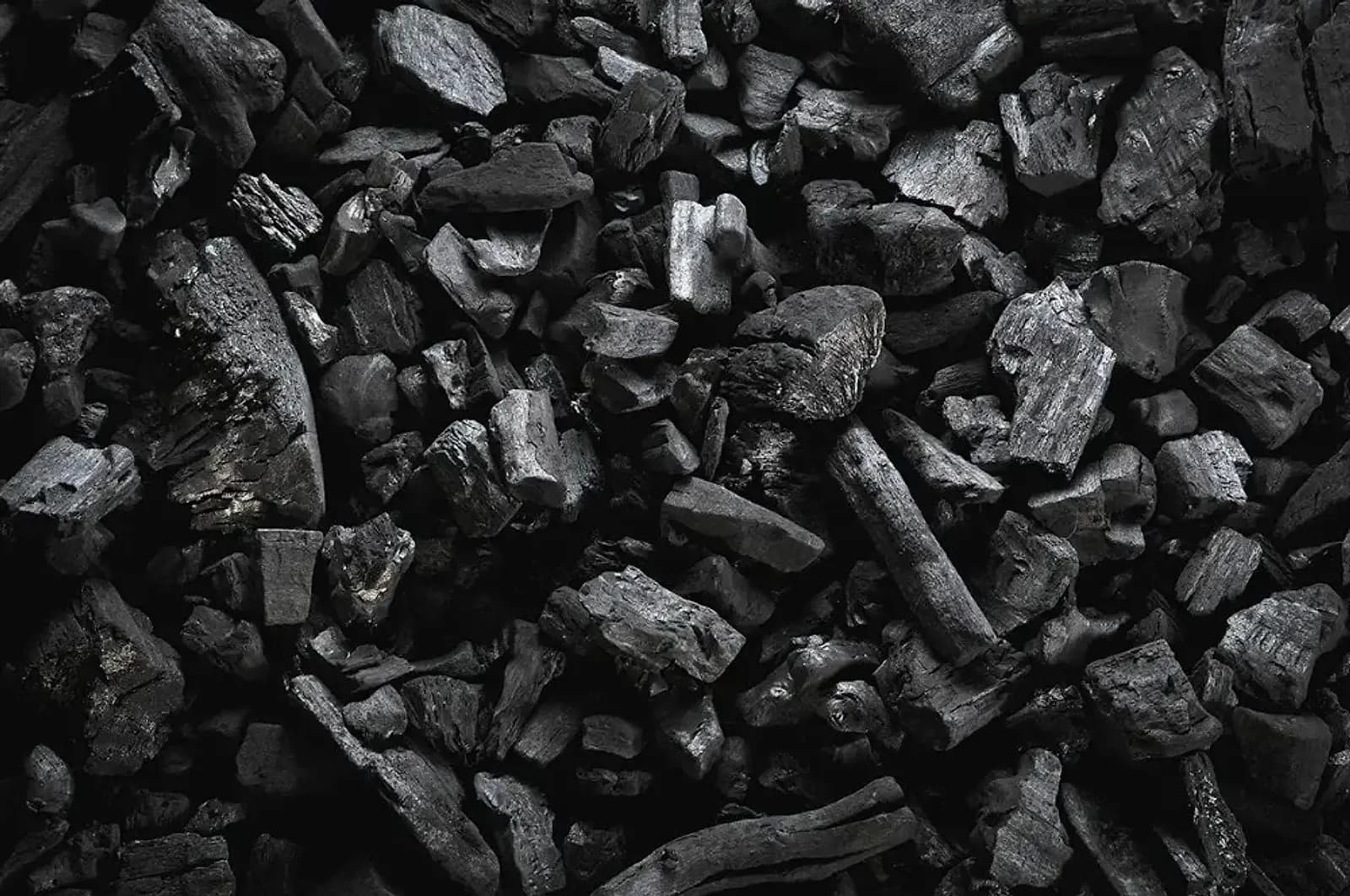
Biochar
Biochar
Turning biomass into a carbon-rich resource.
Agricultural residues, wood chips and other organic waste can be transformed into biochar through pyrolysis, a process that heats biomass in a low-oxygen environment. The resulting carbon-rich material has applications across agriculture and industry, with potential for long-term carbon storage.
What biochar is made from
- Agricultural residues
- Wood chips
- Other organic waste
01India’s biochar opportunity
An emerging opportunity in the biomass economy
India has an estimated biomass availability of 229 million tonnes. At an assumed 20% residue availability for biochar and 30% conversion efficiency, this represents a potential of 46 million tonnes of feedstock and 13.71 million tonnes of biochar.
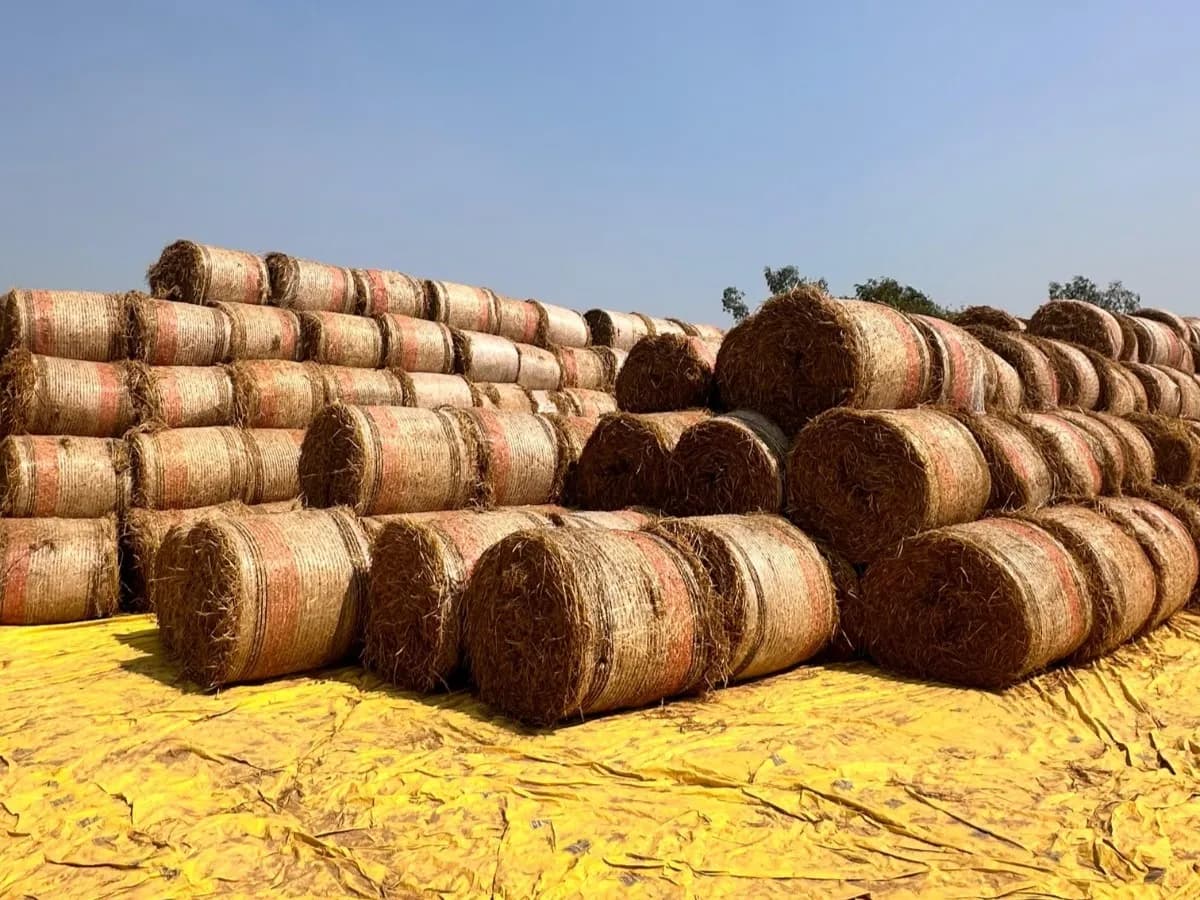
From biomass to biochar
229million tonnes
Estimated biomass availability in India
× 20%assumed residue availability for biochar
46million tonnes
Potential feedstock
× 30%assumed conversion efficiency
13.71million tonnes
Potential biochar
The market is growing alongside this resource opportunity.
India
India’s biochar market is projected to reach USD 75 to 183 million by 2033, growing at a CAGR of 11 to 18%.
Global
Globally, the biochar market is projected to reach USD 930.6 million by 2031, at a CAGR of 13.62%.
02Applications across agriculture and industry
Improving soil. Supporting industrial decarbonisation.
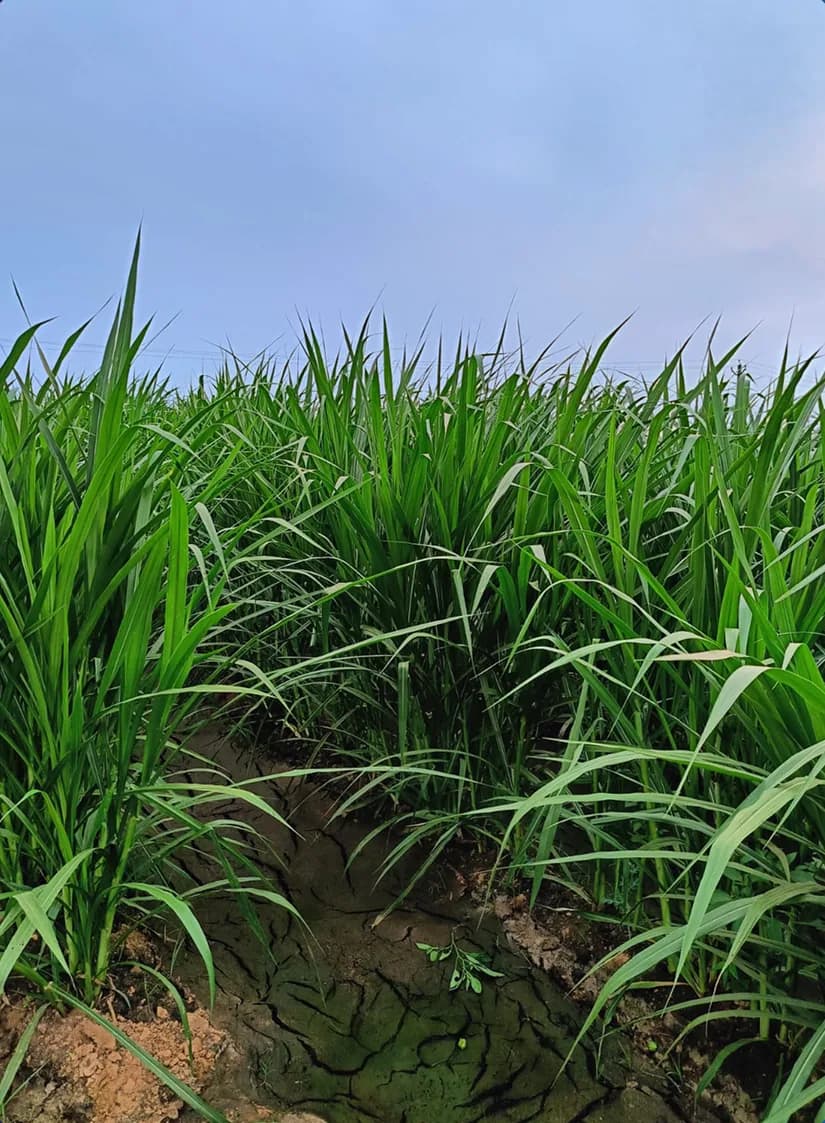
In agriculture
Biochar can be used as a soil amendment to support crop growth and improve soil conditions. Its carbon-rich structure can contribute to soil improvement and carbon sequestration.
- Soil amendment
- Crop growth
- Soil improvement
- Carbon sequestration
Its effectiveness depends on the feedstock, production process, soil conditions and method of application.
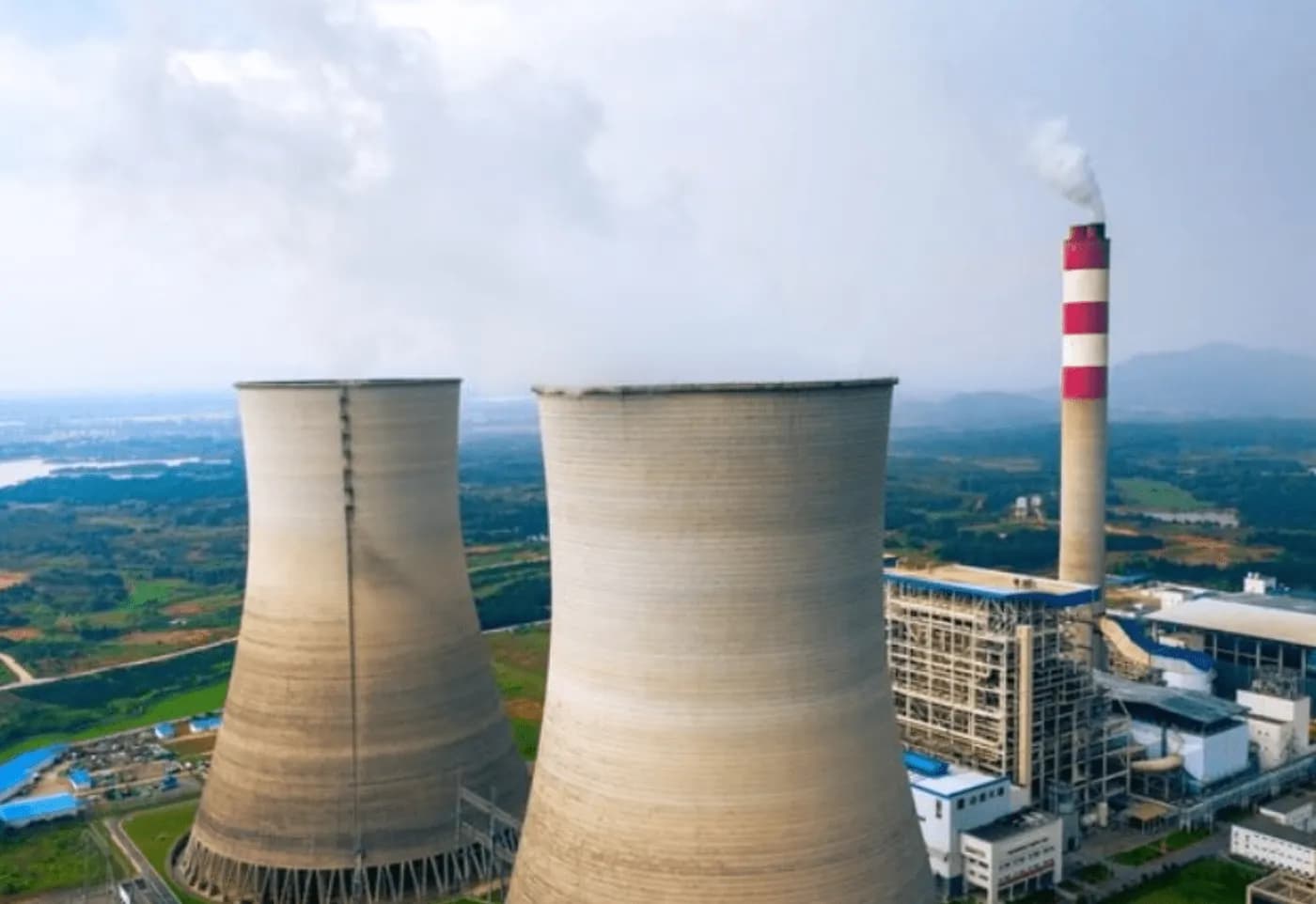
In industry
Biochar can serve as a substitute for coal in certain industrial applications, including steel production. This creates an opportunity to reduce reliance on fossil carbon and potentially lower emissions from industrial processes.
It can also be explored as a raw material for activated carbon, which has applications such as wastewater treatment.
- Coal substitute
- Steel production
- Activated carbon
- Wastewater treatment
03The carbon advantage of biochar
Carbon storage beyond the production process
Biochar’s high carbon content gives it potential as a means of long-term carbon storage. When produced from suitable biomass and used in eligible applications, it can support carbon sequestration.
At scale, this creates an opportunity to connect biomass utilisation with carbon-credit markets, subject to applicable methodologies, testing, documentation and verification.
- Biomass utilisation
- Applicable methodologies
- Testing
- Documentation
- Verification
- Carbon-credit markets
04The biomass chain
Building value across the biomass chain
Biochar connects India’s biomass resources with emerging opportunities in agriculture, industrial applications and the carbon economy.
India’s biomass resources
Biochar
Agriculture
Industrial applications
The carbon economy
Realising this potential calls for
Reliable feedstock
Suitable conversion processes
Material quality aligned with end-use requirements
Exploring biochar for your business?
Keep exploring
More of what’s moving through the Circle
Every fuel has its own source, its own specifications and its own place in the value chain.
- Solid BiofuelsLoose biomass, briquettes and pellets, and the materials they are made from.Explore
- Liquid BiofuelsTyre pyrolysis oil, cashew soft residue, acid oil and biodiesel.Explore
- Gaseous BiofuelsCompressed biogas and the other pathways from organic matter to gas.Explore
- Fermented Organic ManureBiogas residue, turned into organic matter that returns to the soil.Explore