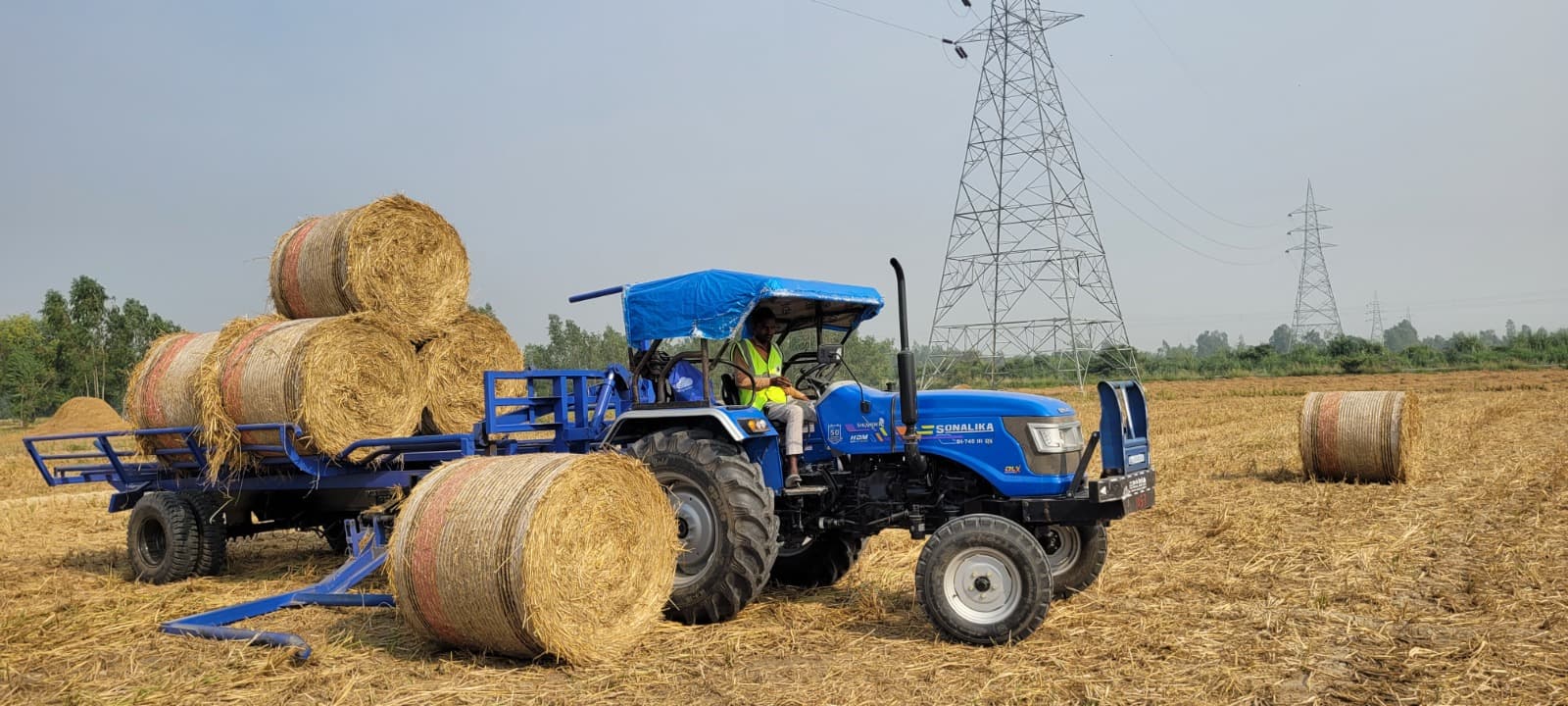
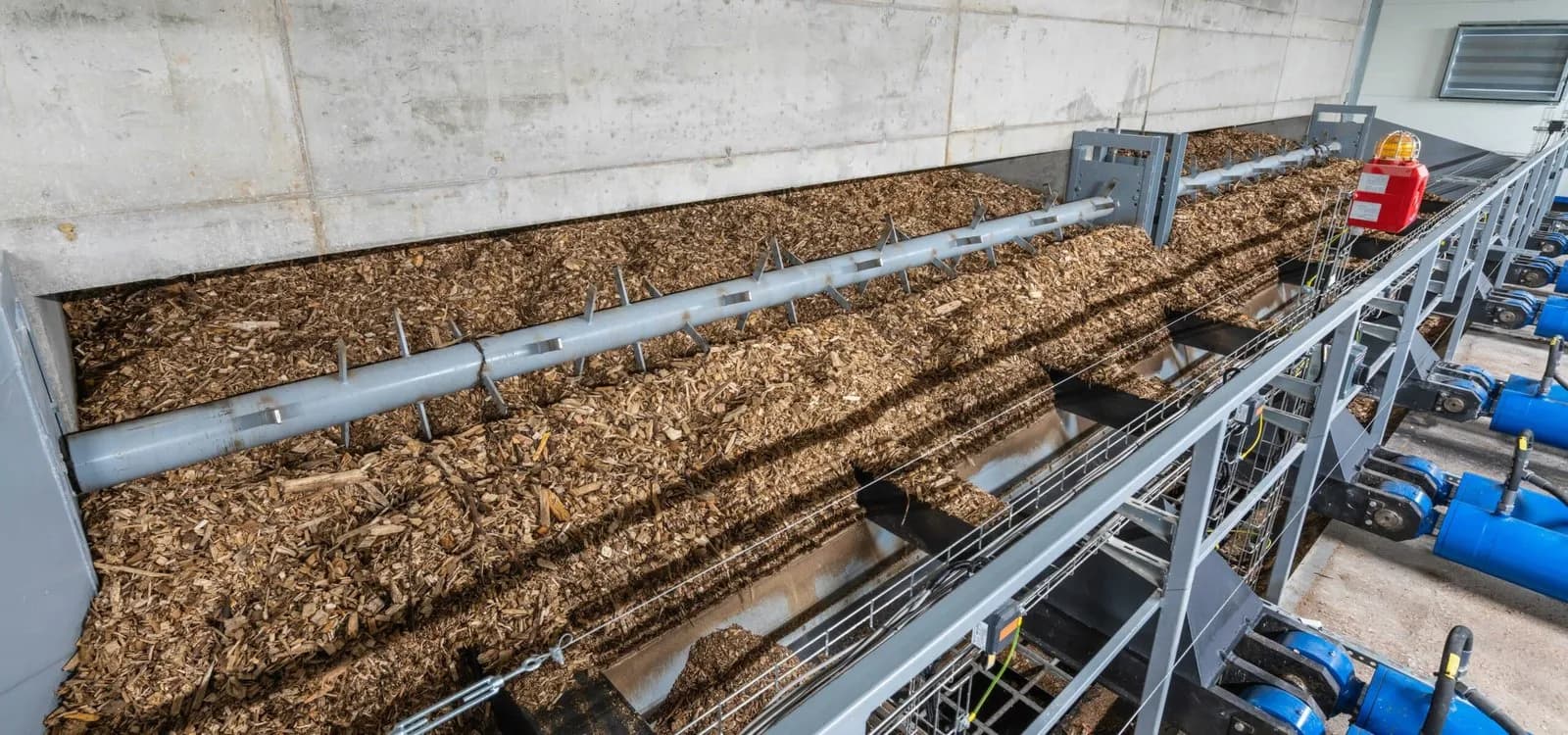
Loose biomass
Agricultural residues supplied without densification, including rice husk, groundnut shells, sawdust and wood chips.

Solid Biofuels
Solid biofuels are fuels derived from non-fossil organic materials, including agricultural residues, wood and biomass-processing by-products. They range from loose materials such as rice husk, groundnut shells and sawdust to processed fuels such as briquettes and pellets.
Forms of solid biofuel
01What decides performance
Used in suitable industrial systems as an alternative to coal, these fuels can provide energy for heat and steam generation. Their suitability, however, depends on more than the material’s source.
Moisture, calorific value, ash content, physical form and consistency all influence how a biomass fuel performs. Understanding these differences helps industrial buyers evaluate the fuel against their operating requirements—and helps suppliers and processors communicate what their material offers.
02Forms
Biomass reaches the energy value chain in different physical forms. Some materials can be supplied loose; others are processed into briquettes or pellets for easier storage, transport and feeding into compatible systems.
The choice of form affects how the fuel moves through the supply chain. Densification can increase the amount of material stored in a given volume and make handling more uniform, but it does not eliminate differences in feedstock quality or combustion characteristics.
Agricultural residues supplied without densification, including rice husk, groundnut shells, sawdust and wood chips.
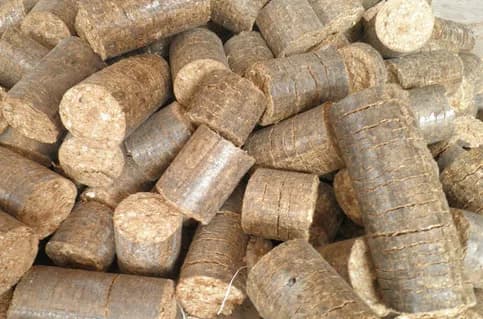
Biomass briquettes are solid biofuels made by compressing agricultural and other biomass residues into dense, uniform blocks. Materials such as sawdust, soybean husk, groundnut shells, cotton stalks and mustard husk can be used to manufacture them.
By converting loose biomass into a denser fuel, briquetting makes the material easier to handle, store and transport.
DiameterApproximately 80–90 mm
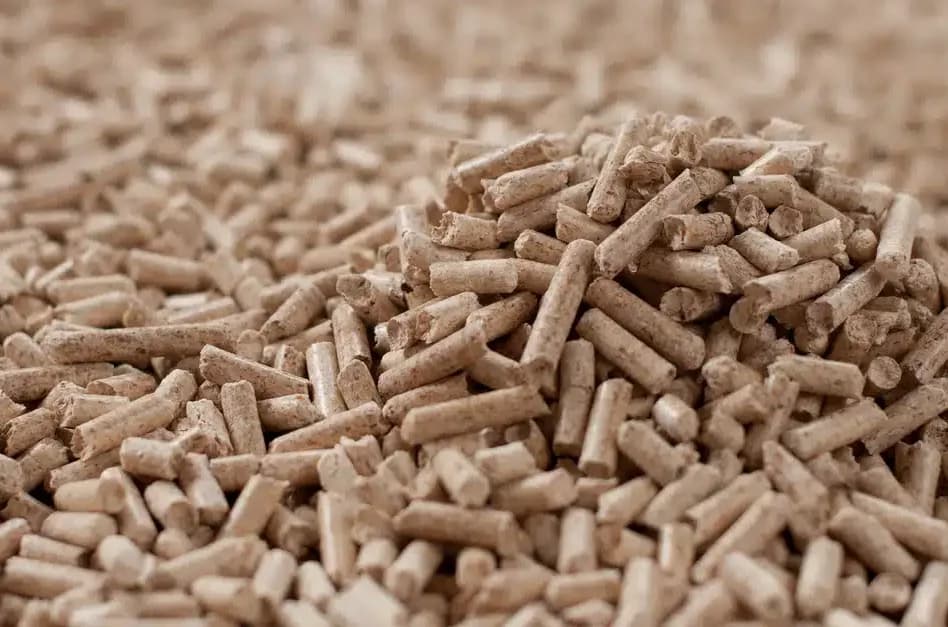
Biomass pellets are compact, cylindrical solid biofuels made by compressing finely processed biomass residues under pressure. Agricultural residues such as mustard husk, groundnut shells, soybean husk, sawdust and other suitable biomass materials can be used to manufacture them.
Their small, uniform size and consistent shape make them easier to handle, store, transport and feed into automated fuel systems.
DiameterApproximately 8–10 mm
A briquette is about nine times as wide as a pellet.
The right fuel is the one whose specifications and delivered cost meet the needs of the intended application.
03Where it grows
Discover which commodities are available across states and identify where your sourcing or supply opportunity may lie.
Select a commodity to see the states where it is most widely grown.
Commodity
Available across 10 states
Hover or tap a state to see which commodities are most widely grown there.
04Materials
Solid biofuels can be derived from agricultural residues, agro-industrial by-products and wood-processing waste. Each material has its own characteristics, and even residues from the same crop can differ depending on their composition, preparation and storage.
Explore the principal material categories and the specifications that matter when evaluating them.

Rice husk is produced during rice milling, while paddy straw is left after harvesting. Both can be used as biomass feedstock, but rice husk generally has higher ash content because of its silica content. Paddy-straw fuels also need to be assessed for ash behaviour and combustion compatibility.
Gross calorific value
Moisture
Ash
Values are indicative and vary with the feedstock, its preparation and its processing.
05Knowledge series
Episodes7 videos · 13:32
Keep exploring
Every fuel has its own source, its own specifications and its own place in the value chain.